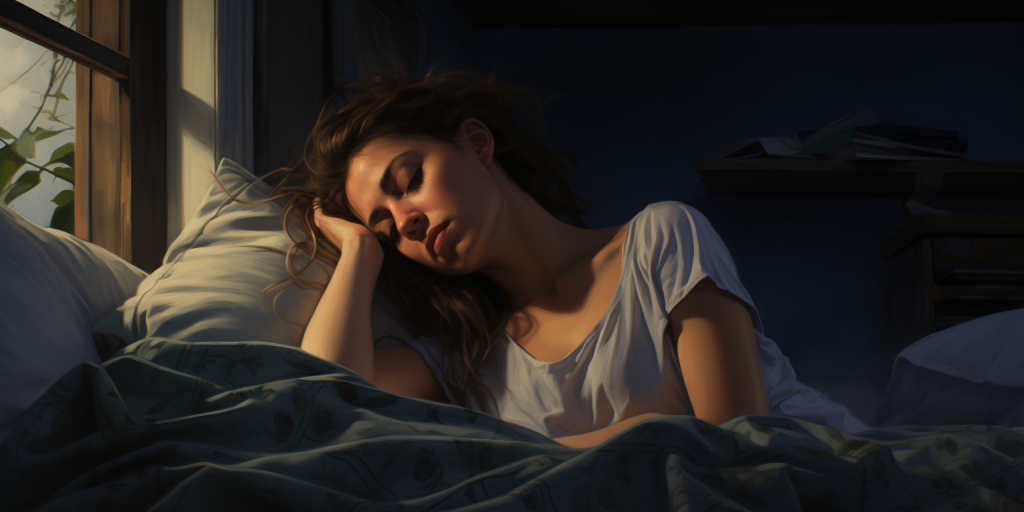
We spent about 1/3th of our lives sleeping, that is roughly 25 to 30 years. Isn’t that a complete waste of time??
We have always known it was important -there must be a reason why all living creatures do it-, but it is only the last 20 years or so that scientists are finding the whys, and there are many.
When we try to live a healthy life, we usually think about the food we eat and the amount of exercise we do, but we don’t pay much attention to the quality of our sleep. Actually, sleep is the third pilar our health is based on, and is equally important.
The list of diseases and malfunctions of the body due to lack of sleep or just bad quality of sleep, is very long, and I don’t want to list them, in order not to depress you; I will focus on the good it does to you.
A famous feature of sleeping is that it gives us the power to dream. While dreaming we process what has happened through out the day, which helps us ‘process’ painful memories. If it weren’t for our dreaming we would remember every single bad thing, every single hurt, and we would be carrying an intense heavy burden with us. Knowing this, it will come to no surprise that not sleeping can lead to depression.
Apart from recalibrating our emotions, good sleep also enhances our ability to learn, it helps improve our memory, it prolongs our life, makes us more creative and look more attractive, it lowers food cravings, it protects us from cancer and dementia, it strengthens our immune system, it lowers our chances of getting diabetes and heart attacks, and makes us feel better in every single way. It is the best and cheapest medicine we can take.
Sleep deprivation does all the opposite.
Sleep is the single most effective thing we can do to reset our brain and body health each day. Mother Nature’s best effort yet at contra death.
Matthew P. Walker, PhD
Now what is “a good night’s rest” exactly? According to Matthew P. Walker, scientist and professor neuroscience and psychology at the university of Berkeley, we need to sleep an average of 8 hours a night, and he is firm that consistently sleeping less than 7 a night will raise the risk of Alzheimer, stroke, cancer, diabetes and heart desease.
Nowadays the silent sleep loss epidemic is the most challenging public health crisis of the 21st century in the industrialized world. We go out too late and too often, work too hard and too long, watch too much TV until too late in the evening. Sleeping too much is not considered cool. It’s for the lazy and we do not want to be looked upon as such. Or we suffer from FOMO and feel like sleep is just some time lost. We need to reclaim the right to spend long nights in bed and we need to do it now.
In his book “Why we sleep”, (“slaap” in Dutch), he discusses all the good things that come out of a good night’s rest and explains how your brain works at it and what sleep does to you, and he ends it with a couple of tips to enhance your sleep. Here they are:
- Always go to bed and wake up at the same time every day.
- Try to exercise at least 30 minutes a day but avoid 2 to 3 hours before bedtime.
- Have your last cup of Joe 8 hours before bedtime.
- Give up smoking.
- Avoid alcoholic drinks before bed, it keeps your from REM sleep.
- Avoid large meals late at night.
- Avoid medicines that might affect your sleep
- Don’t take naps after 3pm.
- Relax before bed, unwind before you sleep.
- Take a hot bath before you go to sleep.
- Dark, cool bedroom. No TV, computer or cellphone.
- Have the right sunlight exposure in the morning, and turn the lights down in the evening.
- Don’t lie awake in bed. Get up and do some relaxing activity.
Sleep tight! And don’t let the bed bugs bite! Getting a good night’s sleep is the new cool!
Here is an interested video about why we sleep.








 The Feel Good Way
Leave a comment