
I’m only happy when it rains
Song by Garbage
I’m only happy when it’s complicated
And though I know you can’t appreciate it
I’m only happy when it rains
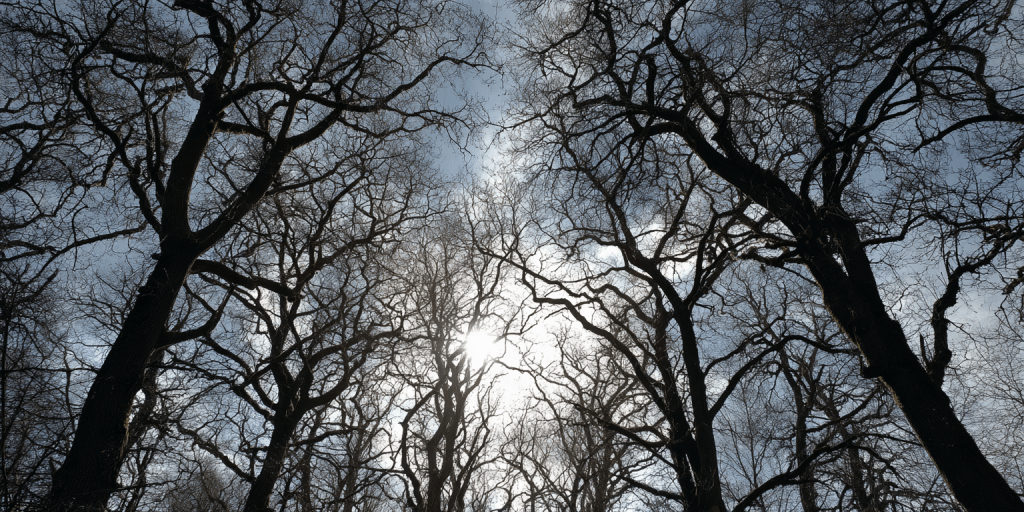
The theme is set, this post is about clouds. For many, I am considered a cloud-girl. I always look up at the sky, don’t like it when it’s (boring) blue, love it when it’s clouded, I adore thunderstorms and am over excited with downpours. I know how often the sky is blue and how rare thunderstorms are, just because I am always looking up..
Often, when I have the discussion with people about the amount of cloudy days in Belgium I need to convince them about that : most still think the opposite, that clouds are the rule and blue skies are the exception.
It’s all just a perception, right? If you want clouds you only see the sun and when you want the sun you only see the clouds?
I am not the only one in the world who is passionate -and fascinated- by clouds, so is Kwinten Van Weverberg, albeit for different reasons. I shoot them, he studies them. Kwinten is a research scientist at the Met Office (and other institutions, check google for details) working on large scale-cloud parameterizations. In other words : he studies clouds in a scientific way, and he does that for a living. Today I heard his story on the radio, and I was so baffled that I need to share it here with you.
I seems that I was right all along ; we do have better weather now then we had in the 80ies.
What?
Since the 80ies, there are 15% less clouds above Belgium, and thus 15% more sunny weather. For most of you people -the majority I suppose- this is probably good news. But is it really?
First of all, what is the reason for this better weather? Is it climate change? That is the easy explanation : nowadays everything seems to come down to this, but it isn’t always so, just like in this case.
According to Kwinten’s findings, the origin would be the improvement of the air quality. Strict rules of the EU have caused the desulfurization of the fuel and the closing of the cole-mines, which caused the sulfur emissions to lower with 90%.
Sulfur dioxide forms sulfate aerosols, and aerosols are what clouds need to exist. So less pollution means less aerosols means less clouds.
Apart from facilitating cloudmaking, sulfur also reflects a lot of light back into space. Light that didn’t reach earth back then, but does now. So less pollution also means more sun reaching earth.
You don’t need to be a scientist to know what that means : less pollution leads to… global warming! A phenomenon that is particularly strong in Europe, because of the strict climate rules. Europe seems to be warming up faster than any other continent, we are already 1 degree ahead!
To fight global warming we tackle pollution, and less pollution makes the temperature go up.
Of course this only counts for pollution by sulfur dioxide. It still makes sense to cut down on CO2! And scientists are looking for ways to solve this side effect, that’s what scientists do, right? Even though they haven’t found it yet, they have plenty of ideas!
To be continued!
click here to hear the full podcast (in Flemish).






 The Feel Good Way
Leave a comment